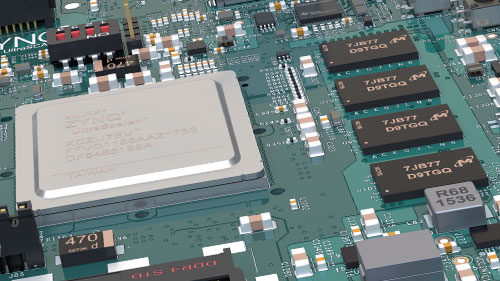
Why FPGA Board Bring-Up Is Not a One-Time Event
 Simon Payne, CEO, XJTAG
|
Subscribe to LinkedIn newsletter

FPGA bring-up is often treated as a milestone.
The board powers up. The FPGA configures. Key interfaces respond. The system works.
Checkpoint achieved.
But in reality, bring-up isn’t a single event. It’s the beginning of a lifecycle.
The Myth of “Once It Works”
There’s a quiet assumption that once a board has successfully configured and demonstrated its core functionality, the hard part is over.
In practice, several things inevitably follow:
- Design revisions
- Component substitutions
- Production ramp
- Field returns
- Environmental variation
- Long-term support
Each of these events reintroduces uncertainty.
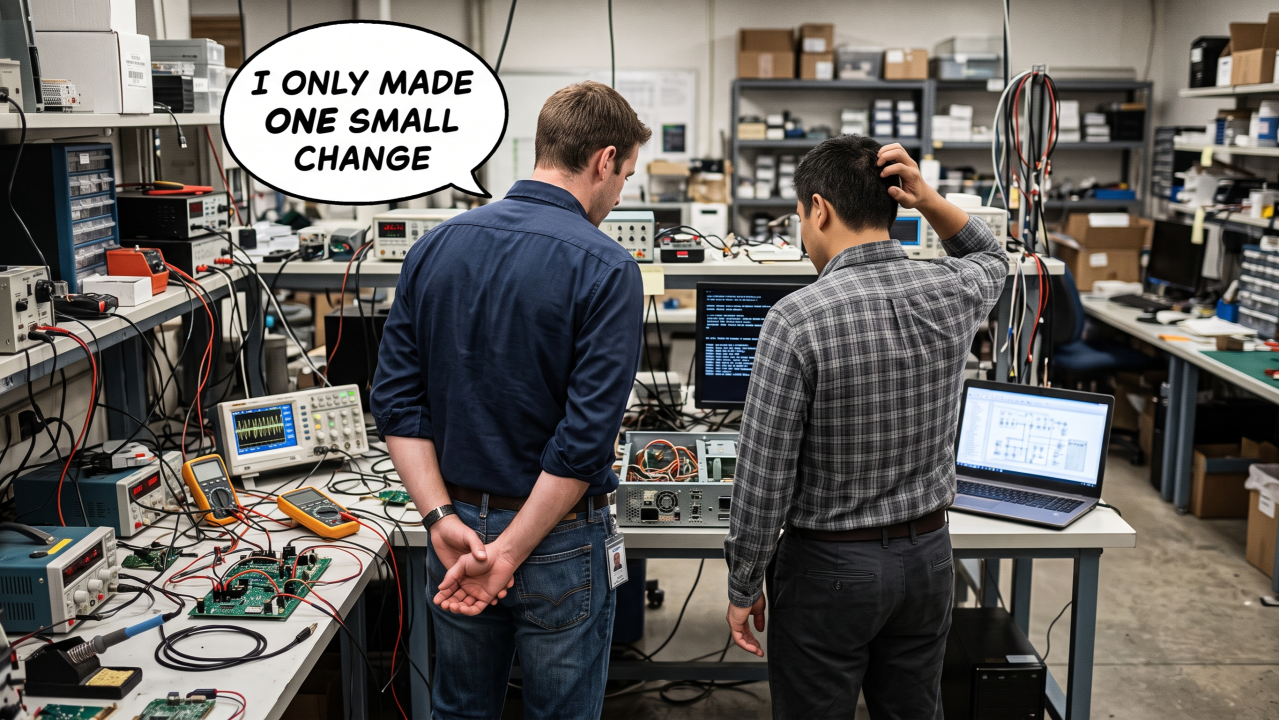
When Boards Come Back
Boards don’t just fail during development.
They come back:
- From production
- From environmental testing
- From customer deployments
- From field service teams
And when they do, the question isn’t:
“Can this FPGA configure?”
It’s:
“Is this board electrically what we think it is?”
Without structured, repeatable validation methods, teams are forced back into reactive debug mode.
The Cost of Not Thinking Ahead
When test and validation are treated as development-only activities, each new board issue feels like starting over.
Engineers revisit assumptions. Rebuild ad-hoc debug setups. Recreate bring-up steps from memory.
That works, but it’s slow.
And in production or field scenarios, slow becomes expensive.
The Shift Experienced Teams Make
Teams that operate in regulated, high-reliability, or long-lifecycle environments tend to think differently.
They don’t treat bring-up as a hurdle to clear.
They treat it as the foundation for:
- Manufacturing validation
- Revision control
- Regression testing
- Field diagnostics
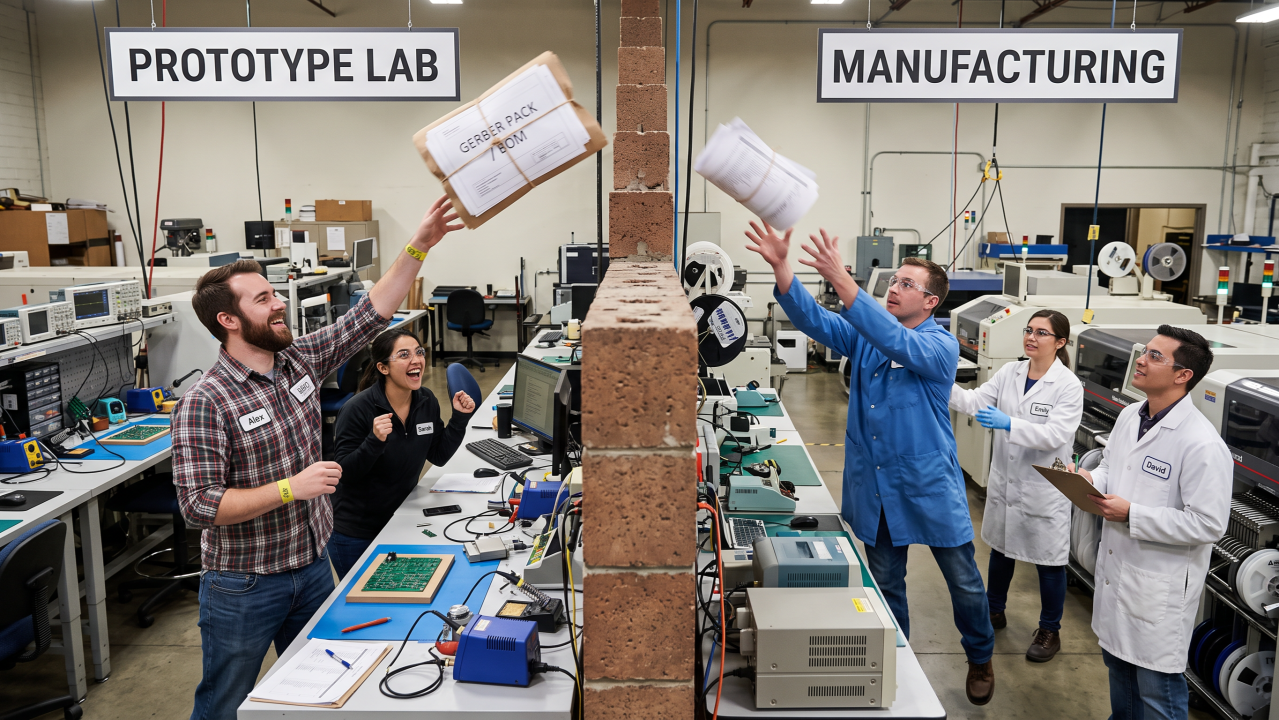
In other words, they build repeatable proof, not just working prototypes.
Designing for the Second Bring-Up
The first bring-up proves the design can work.
The second bring-up proves the process can work.
The third proves the organisation can sustain it.
If access paths, programming flows, and structural checks are designed with reuse in mind, each subsequent board event becomes faster and more predictable.
If not, every board issue feels like an exception.
Closing Thought
FPGA bring-up is not a moment in time.
It’s the beginning of a repeatable capability.
The teams that move fastest, and sleep better, are usually the ones who design their boards and processes so that proof can be reproduced, not rediscovered.
FPGA Board-Level Tip of the Week
Design your JTAG and configuration access so they remain usable beyond initial development.
It’s common for test access to be optimised for early bring-up and then forgotten. But those same access paths become invaluable during production, revision, and field support.
Why it matters
- Enables consistent validation across board revisions
- Supports manufacturing and RMA analysis
- Reduces dependency on institutional memory
What to watch out for
- Optional devices breaking the scan chain when not fitted
- Daughter boards not included in the test chain
- Access methods that rely on development-only jumpers
Access designed for reuse turns bring-up into infrastructure.
Related Reading