Why Board Visibility Matters
 Simon Payne, CEO, XJTAG
|
Subscribe to LinkedIn newsletter

Over the last few weeks, we’ve explored:
- Why JTAG was created
- What JTAG actually enables
- Why it has become so important to today’s semiconductor industry
A common theme runs through all three:
Access.
JTAG exists because engineers need a reliable way to access increasingly complex electronic systems. But access alone isn’t the end goal, the real objective is something else:
Visibility.
The Challenge of Modern Electronics
Today’s electronic systems are extraordinary.
A single PCB may contain:
- FPGAs
- Processors
- SoCs
- Memories
- Power management devices
- High-speed interfaces
- Mixed-signal circuitry
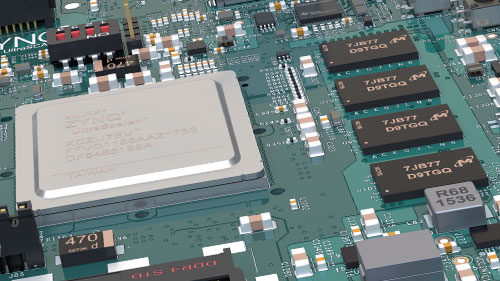
Many of these devices are housed in dense BGA packages and connected through multilayer PCBs containing thousands of nets. While this enables incredible functionality, it creates a challenge: Understanding what is actually happening on the board becomes increasingly difficult.
When Things Work, Visibility Is Invisible
One of the interesting things about board visibility is that nobody talks about it when everything is working. If a board powers up correctly, programs successfully, and behaves exactly as expected, visibility doesn’t feel important.
The challenge appears when something doesn’t work.
Suddenly, engineers start asking questions such as:
- Is the device responding?
- Is the board assembled correctly?
- Is the signal reaching its destination?
- Is the fault in the hardware or the software?
- Has this part of the design actually been proven?
These questions all have something in common.
They require visibility.
Why Guessing Is Expensive
When visibility is limited, engineering teams often compensate by making assumptions.
They:
- Rebuild software
- Recompile firmware
- Swap boards
- Replace components
- Repeat tests
Sometimes these actions solve the problem.
Often they simply consume time. The longer it takes to establish what is actually happening on the board, the longer it takes to identify the true cause.
Visibility Creates Confidence
The fastest engineering teams are not always the teams that solve problems fastest. Often they are the teams that establish confidence earliest.
They know:
- Which devices are accessible
- Which interfaces are functioning
- Which connections have been verified
- Which assumptions have already been proven
That confidence allows investigations to become more focused and efficient.
Instead of asking:
“What’s wrong?”
They can begin asking:
“What remains unproven?”
Why Visibility Matters Throughout the Lifecycle
Board visibility is often associated with bring-up and debugging. In reality, it matters throughout the entire product lifecycle.
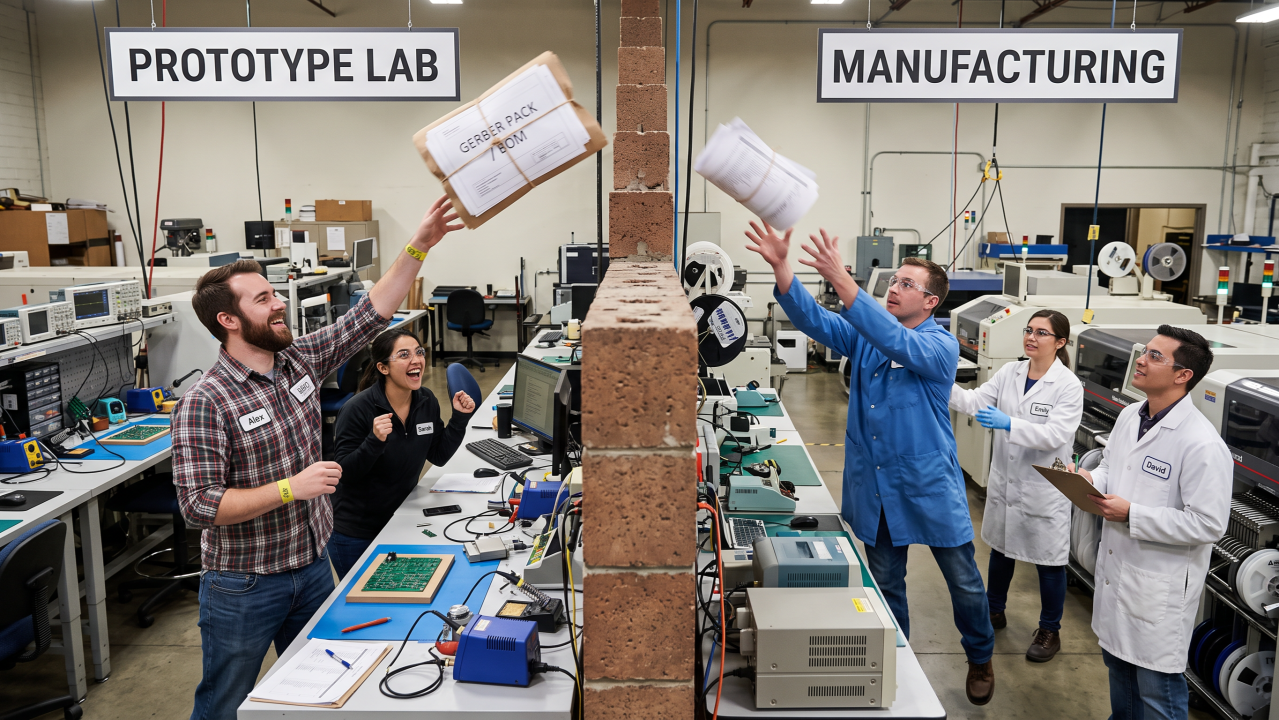
During Development
Engineers need to establish confidence in prototypes and first revisions.
During Manufacturing
Teams need to verify assembly quality and identify defects quickly.
During Repair
Technicians need efficient ways to isolate faults and confirm repairs.
During Field Support
Engineers need mechanisms for understanding issues without extensive physical access. At every stage, visibility reduces uncertainty.
Visibility and Complexity
As semiconductor devices continue to evolve, complexity is increasing faster than accessibility.
Modern systems contain:
- More devices
- More interfaces
- More software
- More functionality
Yet engineers are expected to bring them up faster than ever. This makes visibility increasingly valuable. Not because systems are becoming less reliable. But because understanding complex systems requires better tools and better access to information.
Why This Matters
Many engineering delays are not caused by faults. They are caused by uncertainty.
The time between:
- observing a problem
and
- understanding a problem
can often be the most expensive part of development.
Visibility shortens that gap.
Closing Thought
Engineers don’t need more complexity. They need more certainty and certainty comes from understanding what is actually happening on the hardware.
That is why board visibility matters.
Not because it makes systems simpler.
But because it makes complex systems easier to understand.
JTAG Tip of the Week
Design with future visibility in mind.
During development it is tempting to optimise for today’s requirements, but future bring-up, manufacturing, service and support activities often benefit from additional access and observability.
Consider:
- JTAG accessibility
- Test point placement
- Connector access
- Signal visibility
The easiest time to add visibility is during design.
The hardest time is after the PCB has been manufactured.
Explore your board design with the Free XJTAG Layout Viewer
To get started find out how the Free XJTAG Layout Viewer can help you see your board connections:
Related Reading